COVID-19 Treatment: Understanding Options and Strategies
Introduction to COVID-19
COVID-19, caused by the novel coronavirus SARS-CoV-2, has impacted millions worldwide, leading to a spectrum of illness ranging from mild symptoms to severe respiratory distress and complications. Effective treatment strategies aim to alleviate symptoms, manage complications, and support recovery.
Emerging Treatments and Research
Ongoing research explores new treatments and therapies:
-
Antiviral Development: Continued efforts to develop effective antiviral drugs targeting different stages of viral replication.
-
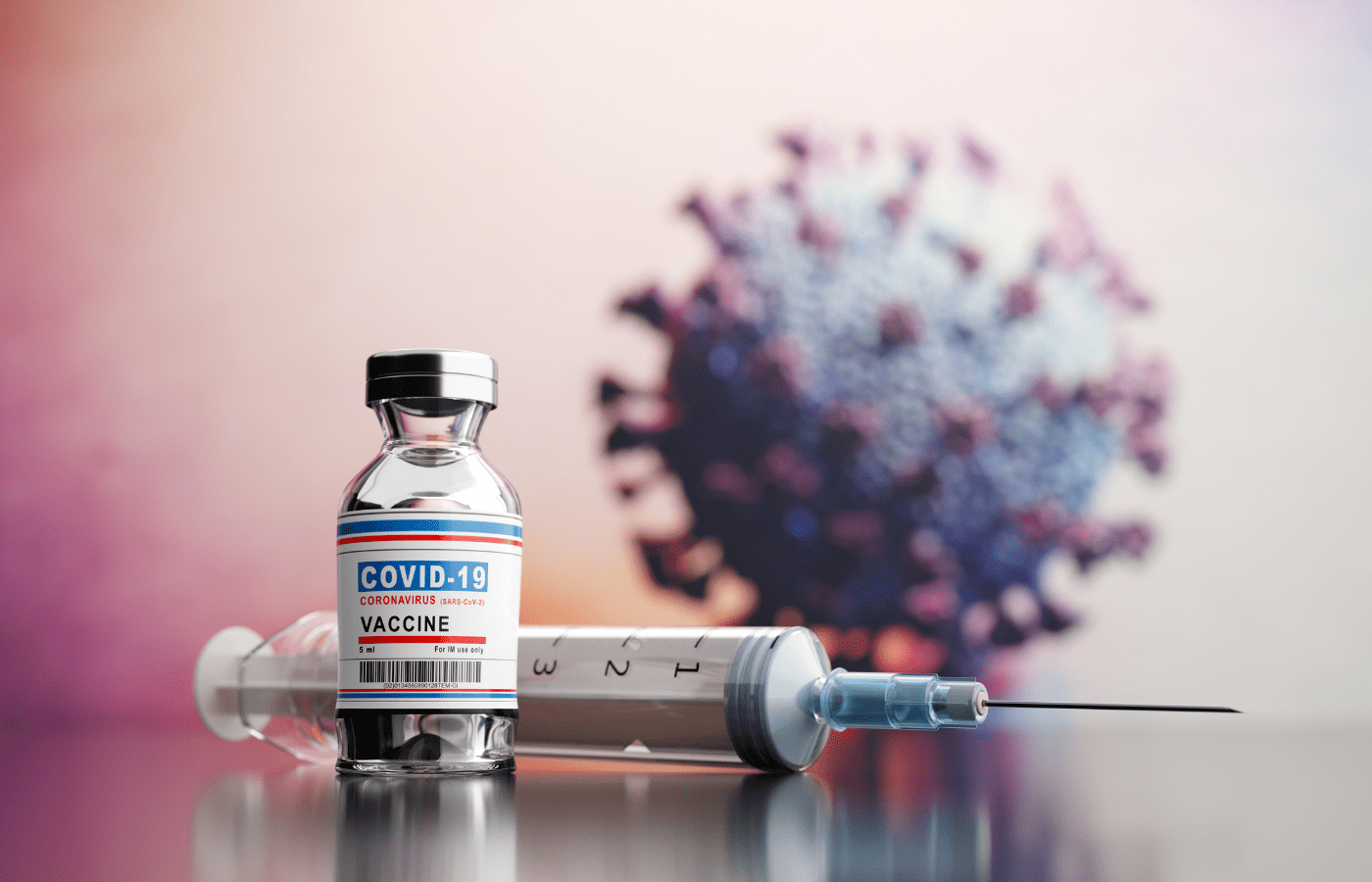
Vaccine Development: Vaccination remains critical in preventing severe illness and reducing transmission.
-
Clinical Trials: Participation in clinical trials helps evaluate new therapies and improve treatment outcomes.
Multidisciplinary Care and Recovery
Comprehensive care involves:
-
Monitoring: Regular monitoring of symptoms, oxygen levels, and inflammatory markers.
-
Nutritional Support: Adequate nutrition supports immune function and recovery.
-
Rehabilitation: Physical therapy and pulmonary rehabilitation help regain strength and function post-infection.
Public Health Measures

Preventative measures remain essential:
-
Vaccination: Encouraging vaccination to reduce severe illness and transmission.
-
Hygiene Practices: Handwashing, mask-wearing, and physical distancing to prevent virus spread.
-
Early Diagnosis: Prompt testing and isolation of infected individuals to prevent transmission.
Treatment Approaches
Supportive Care
For individuals with mild to moderate symptoms, treatment focuses on supportive care:
-
Rest and Hydration: Adequate rest and hydration help the body recover and maintain hydration levels.
-
Fever Reduction: Over-the-counter medications such as acetaminophen or ibuprofen can help reduce fever and alleviate discomfort.
-
Symptom Management: Cough suppressants, antihistamines, or decongestants may be used for symptomatic relief.
Antiviral Medications
Antiviral drugs target the virus to inhibit replication and reduce severity:
-
Remdesivir: A broad-spectrum antiviral that has shown effectiveness in reducing recovery time in hospitalized patients with severe COVID-19.
-
Monoclonal Antibodies: Synthetic antibodies that neutralize the virus, recommended for high-risk individuals to prevent progression to severe disease.
Corticosteroids
Corticosteroids help reduce inflammation and improve outcomes in severe cases:
- Dexamethasone: Shown to reduce mortality in hospitalized patients requiring supplemental oxygen or mechanical ventilation.
Oxygen Therapy
In cases of respiratory distress, supplemental oxygen therapy is crucial:
-
Oxygen Masks: Deliver oxygen to maintain adequate blood oxygen levels.
-
Mechanical Ventilation: Invasive or non-invasive ventilation supports breathing in severe cases.
Immunomodulators
Immunomodulatory therapies regulate immune responses to prevent hyperinflammation:
- Tocilizumab: IL-6 receptor antagonist used to manage cytokine storm in severe COVID-19 cases.
COVID-19 treatment continues to evolve with advances in medical research and therapeutic strategies. By understanding treatment options, supporting ongoing research efforts, and implementing preventive measures, healthcare providers and individuals can effectively manage COVID-19, mitigate its impact, and support global efforts towards recovery and resilience.