Understanding Back and Neck Pain: Causes, Symptoms, and Treatment
What is Back and Neck Pain?
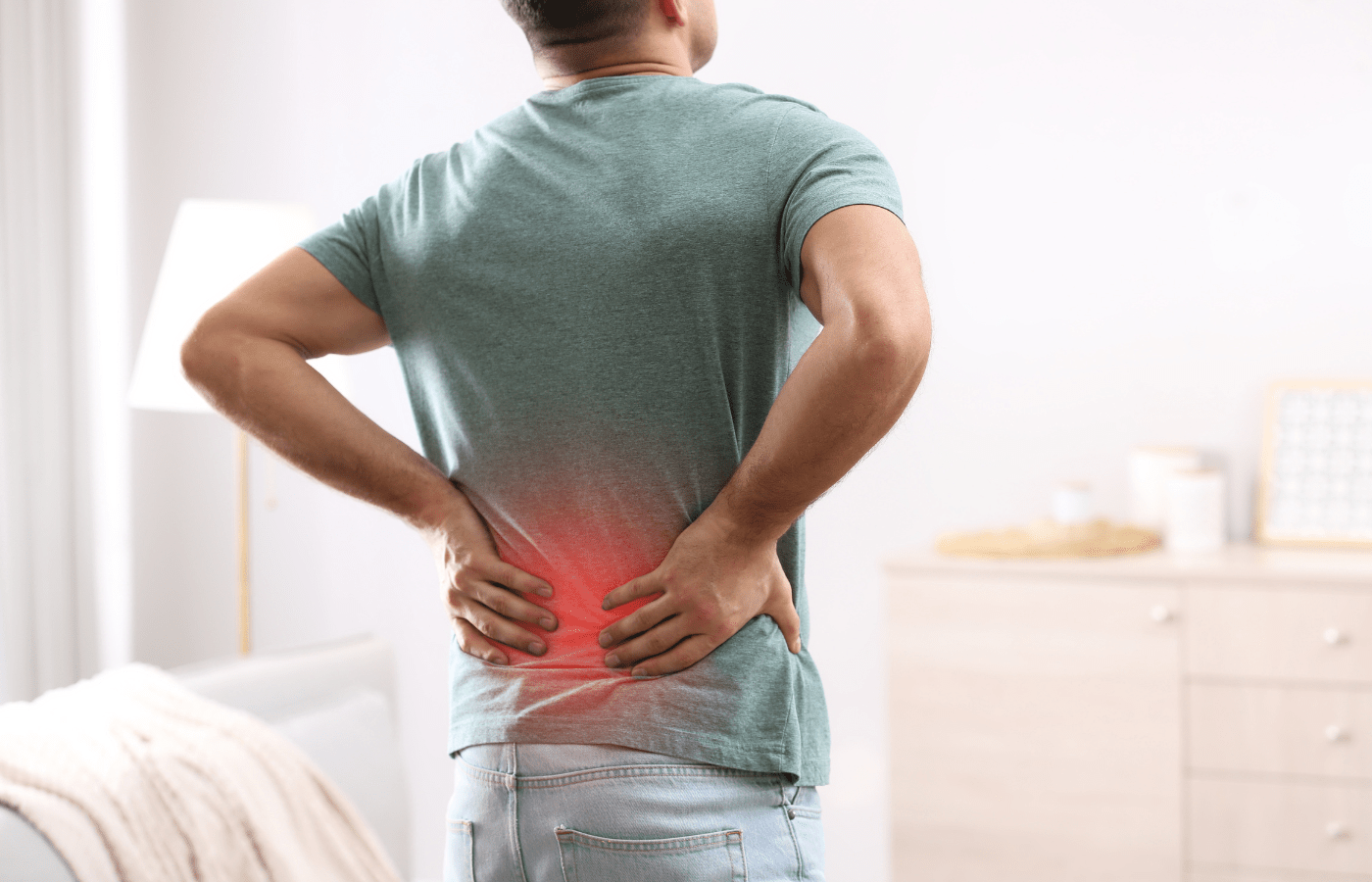
Back and neck pain are common musculoskeletal complaints that can range from mild discomfort to severe, debilitating pain. These conditions often affect the spine, muscles, nerves, and other structures in the back and neck, impacting mobility and overall well-being.
Causes of Back and Neck Pain
Back and neck pain can be caused by various factors:
-
Muscle Strain: Overuse, poor posture, or sudden movements can strain muscles and ligaments supporting the spine.
-
Spinal Disc Problems: Herniated discs, bulging discs, or degenerative disc disease can compress nerves and cause pain.
-
Osteoarthritis: Wear and tear of joints and cartilage in the spine can lead to stiffness and pain.
-
Spinal Stenosis: Narrowing of the spinal canal, putting pressure on the spinal cord and nerves.
-
Trauma or Injury: Such as whiplash from car accidents or falls.
-
Poor Ergonomics: Incorrect posture at work or during daily activities.
-
Medical Conditions: Such as sciatica, fibromyalgia, or osteoporosis.
Symptoms of Back and Neck Pain
Symptoms can vary depending on the underlying cause and may include:
-
Localized Pain: Aching, stiffness, or sharp pain in the neck, upper back, or lower back.
-
Radiating Pain: Pain that spreads to the shoulders, arms, or legs (sciatica).
-
Muscle Spasms: Involuntary muscle contractions causing tightness and discomfort.
-
Limited Mobility: Difficulty bending, twisting, or standing for prolonged periods.
-
Numbness or Tingling: Sensations of pins and needles in the arms, hands, legs, or feet.
Diagnosing Back and Neck Pain

Diagnosis typically involves:
-
Medical History and Physical Examination: Discussing symptoms, medical history, and performing a physical assessment.
-
Imaging Tests: X-rays, MRI scans, or CT scans to visualize the spine and assess structural abnormalities.
-
Electrodiagnostic Tests: Electromyography (EMG) or nerve conduction studies to evaluate nerve function.
Treatment Options
Treatment for back and neck pain aims to relieve symptoms, improve function, and address underlying causes:
-
Medications:
- Pain Relievers: Over-the-counter or prescription NSAIDs (nonsteroidal anti-inflammatory drugs) to reduce pain and inflammation.
- Muscle Relaxants: To alleviate muscle spasms and improve mobility.
- Steroid Injections: Corticosteroids injected into the spine to reduce inflammation and pain.
-
Physical Therapy: Targeted exercises, stretching, and manual therapy to strengthen muscles, improve flexibility, and correct posture.
-
Lifestyle Modifications: Ergonomic adjustments, proper lifting techniques, weight management, and regular exercise to support spine health.
-
Alternative Therapies: Acupuncture, chiropractic care, massage therapy, or yoga for pain relief and stress reduction.
-
Surgical Interventions: In cases of severe or persistent pain, surgery may be recommended to relieve pressure on nerves or stabilize the spine.
Preventing Back and Neck Pain
To prevent or reduce the risk of back and neck pain:
-
Maintain Good Posture: Practice proper posture while sitting, standing, and lifting heavy objects.
-
Exercise Regularly: Strengthen core muscles and improve flexibility through exercises like yoga, swimming, or walking.
-
Use Ergonomic Support: Use ergonomic chairs, supportive mattresses, and adjust workspaces to reduce strain on the spine.
-
Lift Properly: Bend your knees and keep your back straight when lifting heavy objects.
When to Seek Medical Help
Consult a healthcare provider if:
-
Back or neck pain persists for more than a few weeks despite self-care measures.
-
Pain is severe, radiates down the arms or legs, or is accompanied by numbness, weakness, or bladder or bowel changes.
-
Injury or trauma causes sudden onset of intense pain.
By understanding the causes, recognizing symptoms early, and seeking appropriate treatment, individuals can effectively manage and alleviate back and neck pain. With a comprehensive approach that includes medical care, physical therapy, and lifestyle adjustments, many people can regain mobility, reduce pain, and improve their overall quality of life.